


helping kids “grow” and find their place in the community
This month, we’re embracing the new school year and all that comes with it: new opportunities, new challenges, and the growth that inevitably comes along the way for our children and us as parents, too. As routines shift and our children step into new classrooms, friendships, and experiences, it’s also a good reminder that they don’t grow in isolation. They grow within villages: families, teachers, neighbors, community organizations, and the many people who show them what it means to care for the place they call home.
We’re celebrating those villages, especially the organizations that give children meaningful opportunities to contribute and make a difference. One of our favorites is Chickadeeds here in Maine, which gets kids excited about making their community more beautiful while introducing them to the joy and responsibility of service. The Co-founders, Lauren Glennon and Jenny Coyne, so generously shared more about the background of the organization, what they’ve learned along the way, and where Chickadeeds is headed next.
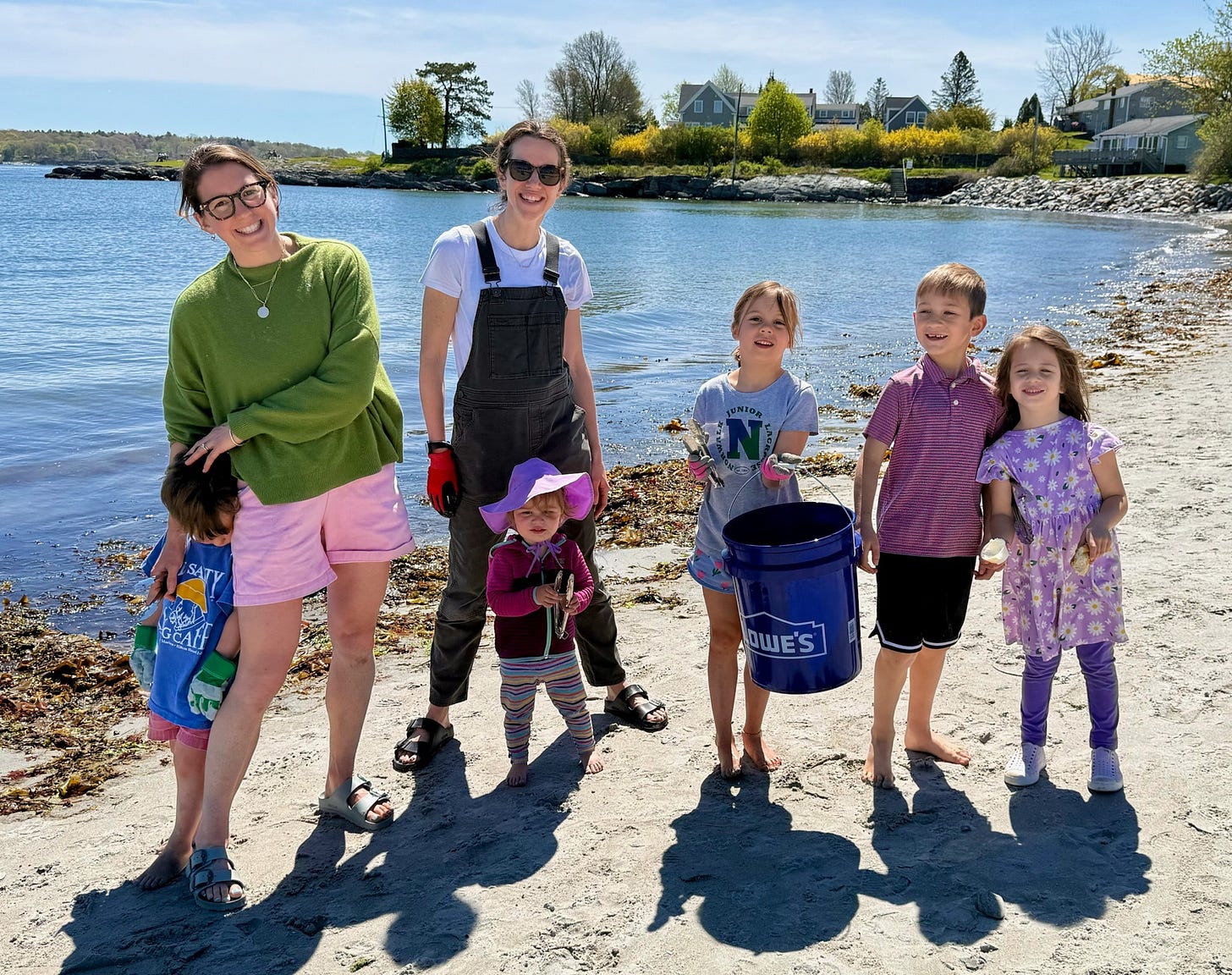
1. Was there a particular moment or experience that inspired you to start Chickadeeds?
As our own children were growing, we both were looking for volunteer opportunities that we could do with our families. We wanted our kids to learn about local causes, experience the joy of service in community, and begin understanding the many varying types of service action. However, we kept hitting the same wall: most volunteer opportunities in Maine required kids to be at least 14 years old.
So in 2022, we decided to build the thing we wished existed: short, meaningful service projects designed so a five-year-old and a fifty-year-old could work side by side. The crux of our model is partnership: we work directly with nonprofit organizations already leading the work in local cause areas and the relationship runs both ways: they know the need, we bring the hands, and everyone leaves having given and gained something. We named this project after Maine’s state bird, the chickadee, because the bird is known to be social, loyal, and always present at the center when many types of birds fly together, exactly the kind of community, rooted in place, that we wanted to create.
Now five years later, we offer monthly public, free, and local community service events with rotating nonprofits and host an immersive annual teen volunteer program! We also feature collaborations with local businesses, welcoming in-kind products, host venues, and volunteer snack donations from local businesses that believe in this layering of community resources for collective good!
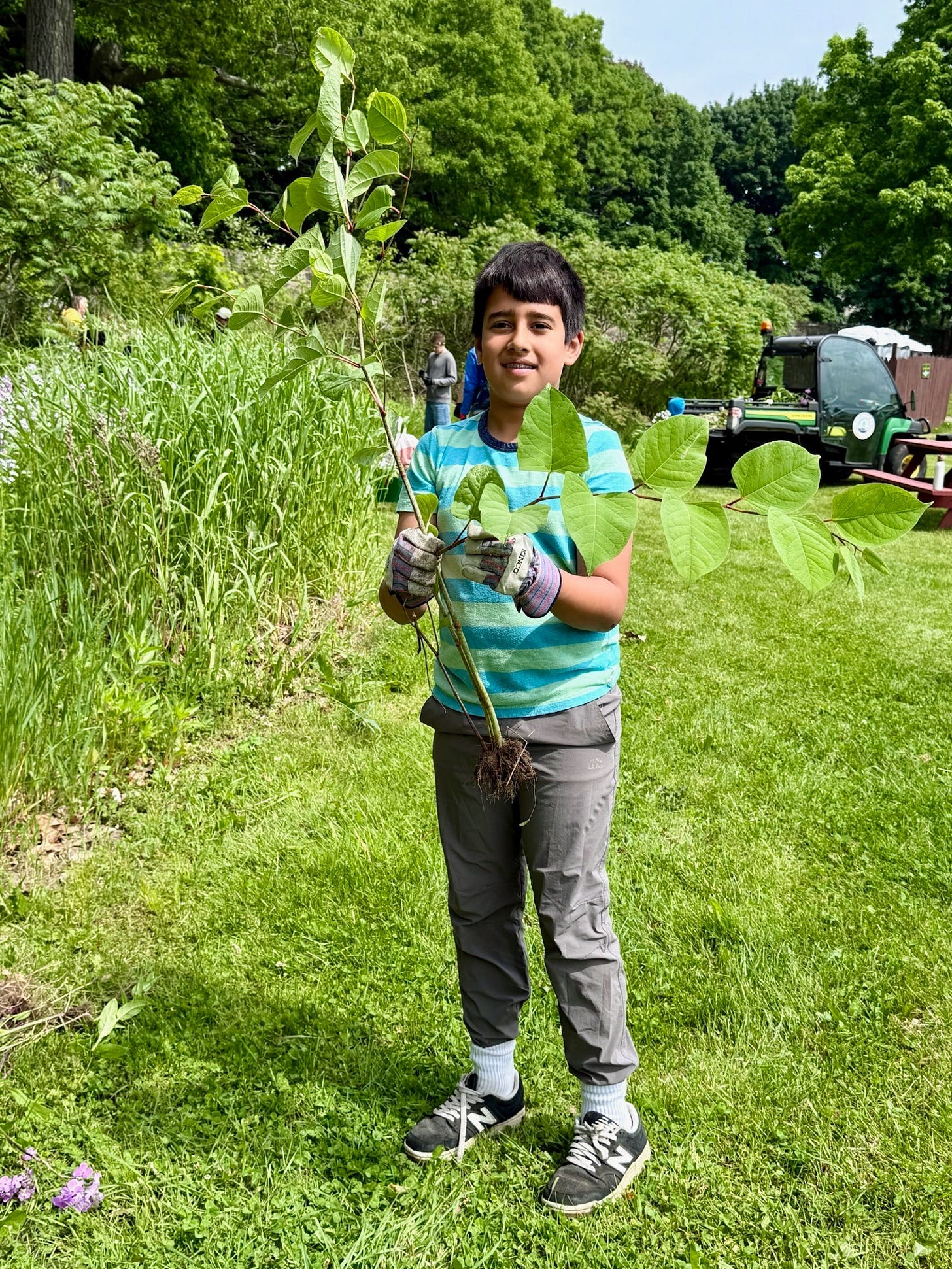
2. What have you learned along the way that you didn’t expect?
For volunteers: we didn’t expect how much the real impact would happen in the car on the drive home. We designed Chickadeeds around the two hours of the event itself, but parents kept telling us that the proof is in the conversation afterward, when kids share how meaningful regular, quick, actionable service can feel. It is in that space that kids start asking questions about why the need exists in the first place and begin to think about their own role in their community as they grow.
For us: we also didn’t expect how much of this work would be listening. We begin planning for every monthly community service event by asking our nonprofit partner what their most pressing needs are. We are learning from the experts in our community in each area and building new peer and colleague relationships in the process. In return we bring them capacity, energy, and a next generation of local volunteers who might not have found their door otherwise.
We’ve built trust and reciprocity with 60 nonprofit partners in the local area and counting— and we are grateful for this feeling of togetherness, collaboration, and community resourcing.
3. What has been the most rewarding part of building the organization?
Watching the numbers turn into faces. It’s one thing to say we’ve mobilized more than 2,700 volunteers and generated over 8,200 hours of donated service for our community. It’s another to see returning families show up event after event, or to watch a kid who made care kits for unhoused neighbors two years ago now show up to lead younger volunteers through a similar project. That pay-it-forward loop is mutual aid in action: one generation sharing a sense of local responsibility for our environment and community to the next.
Being recognized with the Governor’s Outstanding Nonprofit Volunteer Program Award was a proud moment, but honestly, it’s behind the scenes: a partner telling us that an event with us proved that they can welcome children to help in their work year-round or a parent saying their kid brought up volunteering unprompted.
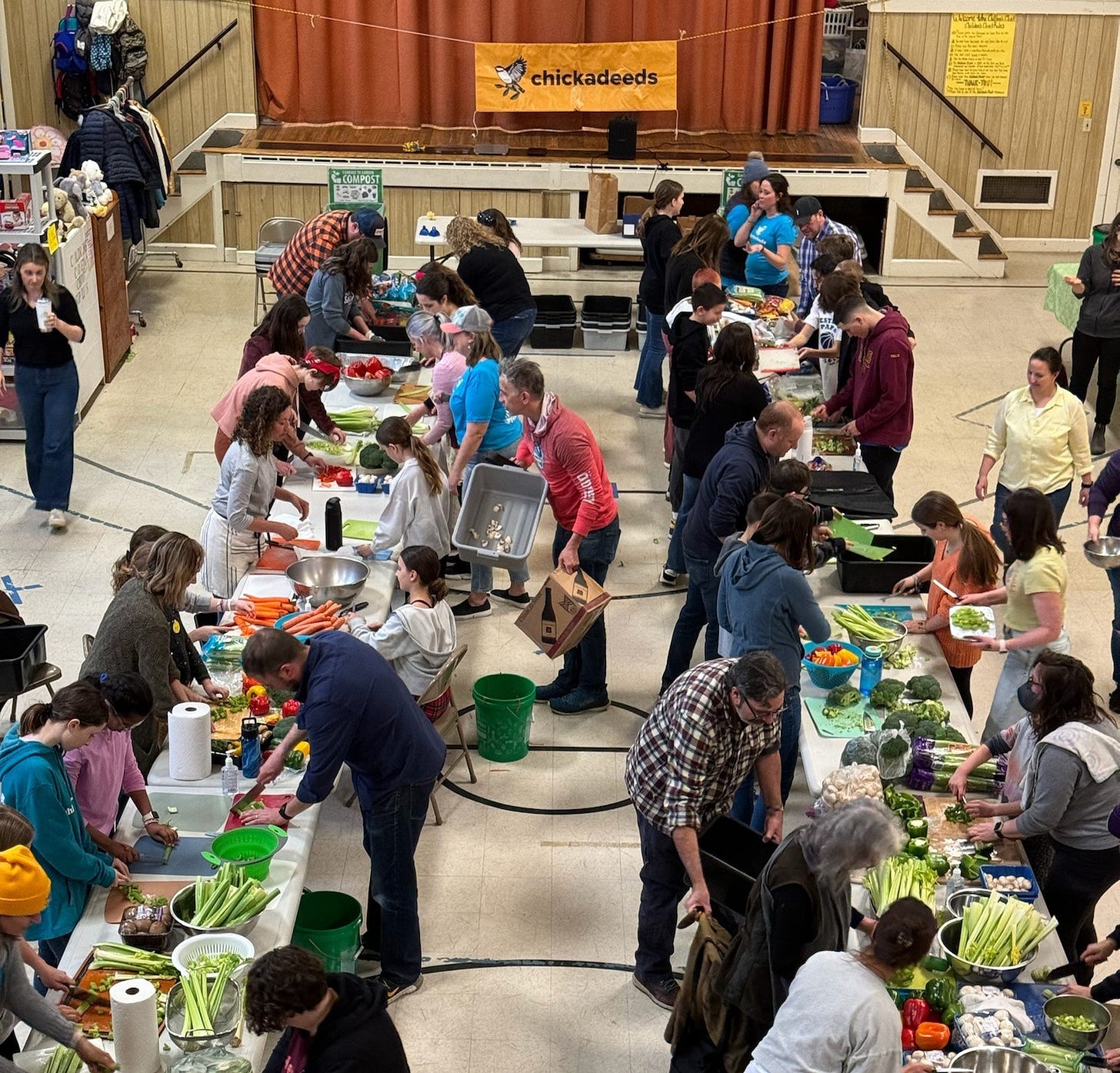
4. What’s next for Chickadeeds?
We are building an easy-to-use Chickadeeds web app where volunteers can register for service opportunities, track their volunteer hours, and connect directly with nonprofits, all in one place. We like to think of it as a network and infrastructure for reciprocity, making it easier for local nonprofits and local families to find each other and keep showing up for each other. Our goal continues to be the same: volunteering with ease can become a lifestyle.
Longer term, we’d love to share our Chickadeeds model with other communities, in Maine and beyond. The desire for accessible, intergenerational volunteering isn’t unique to us...we just happened to build a solution for it and have a community who was ready!
Growth can feel overwhelming, not only for children, but for adults, too. Yet when we come together and make space for even small acts of service, we can create the kind of community that helps everyone feel more rooted and connected. Maybe that’s what Chickadeeds is ultimately reminding us: making a difference doesn’t have to be complicated or done at a certain age. It can be as simple as showing up and giving our children the chance to see themselves as contributors to their community. In doing so, they learn that community is something they can help shape and care for, too. And perhaps that’s the best way to begin a new school year is by showing up, growing together, and making service a part of the way we live.